
House Lettings: A Simple Guide to Renting Out Your Home
Letting a property in the UK can be a great way to earn extra income while keeping your home as an asset. But if you’re thinking about renting out your house for the first time, you might be wondering where to start. At SevenLiving, we help landlords across the UK make house lettings straightforward and stress-free.
This guide explains what you need to know, using clear steps and practical advice to get your house ready to rent. It is designed for homeowners who are thinking, “I want to rent my house out” and need clear, step-by-step advice.
Key Points:
- Check licencing rules: Some properties require a landlord or HMO licence depending on location and number of tenants.
- Inform your mortgage provider: You may need to switch to a buy-to-let mortgage before renting out your home.
- Get proper insurance: Landlord insurance is essential to cover rental risks not included in standard home insurance.
- Follow legal requirements: This includes deposit protection, tenancy agreements, Right to Rent checks, and safety compliance.
- Ensure safety standards: Arrange required gas and electrical inspections, fit alarms, and provide an EPC.
- Decide how you’ll manage the property: You can handle it yourself or use a letting agent for tenant find, rent collection, or full management.
- Set a fair market rent: Use local comparisons or get a professional valuation to determine a realistic rental price.
- Screen tenants carefully: Always check ID, credit history, income, and references before agreeing to a tenancy.
- Prepare for move-in: Provide the necessary legal documents and a clear inventory with condition notes.
- Keep up with responsibilities: Carry out maintenance, give proper notice before visits, and follow legal steps to renew or end a tenancy.
Is Renting Out a House Right for You?
Renting out your house can provide steady income. In 2024, 4.6 million UK households rent privately, according to Statista, showing a strong rental market. You keep ownership of your property, which you can sell later or move back into.
Many people explore house lettings as a way to keep their property while earning a regular income.
Before you rent out your house, consider the following:
- Will you manage the property yourself or use a letting agent?
- Can you meet legal and safety responsibilities?
- Are you ready to handle tenant issues or pay someone to manage them?
Letting your house is a legal and financial responsibility. You’ll need time, planning, and sometimes help from professionals to do it correctly.
How Much Can I Rent Out My House For?
Before you rent out your house, it’s important to understand what a realistic monthly rent might be. Rental prices depend on several factors, including the size and condition of your property, its location, local demand, and whether it’s furnished or unfurnished.
Looking at similar properties in your area is a good starting point. A local letting agent can also provide a rental valuation based on current market trends. Just make sure that you’re setting the right rental prices; it needs to attract reliable tenants while covering your costs and delivering a fair return.
Steps on How to Let My House (Legally and Safely)
If you’re unsure how to let your house without missing legal steps, these guidelines will help.

Step 1: Check if You Need a Landlord Licence
Depending on your local council, you may need a landlord’s licence before you can rent out your property. This is known as Selective Licencing and it applies in certain areas of England and Wales, especially where there are concerns about housing conditions or anti-social behaviour.
In addition, if you are letting to three or more unrelated tenants who share facilities (like a kitchen or bathroom), your property may be classed as a House in Multiple Occupation (HMO), which requires a separate licence and stricter safety checks.
You can check with your local authority to find out whether licencing rules apply to your property.
Step 2: Inform Your Mortgage Provider and Insurer
If your home has a residential mortgage, you must contact your lender before renting it out. Mortgage lenders may have conditions you need to meet before you’re allowed to rent your house legally. Renting out your house without the lender’s approval may breach your mortgage terms.
You should also tell your home insurance provider. Standard insurance policies do not usually cover rental properties. You will need landlord insurance, which can include:
- Building and contents cover
- Loss of rent cover
- Legal expenses cover
- Public liability insurance

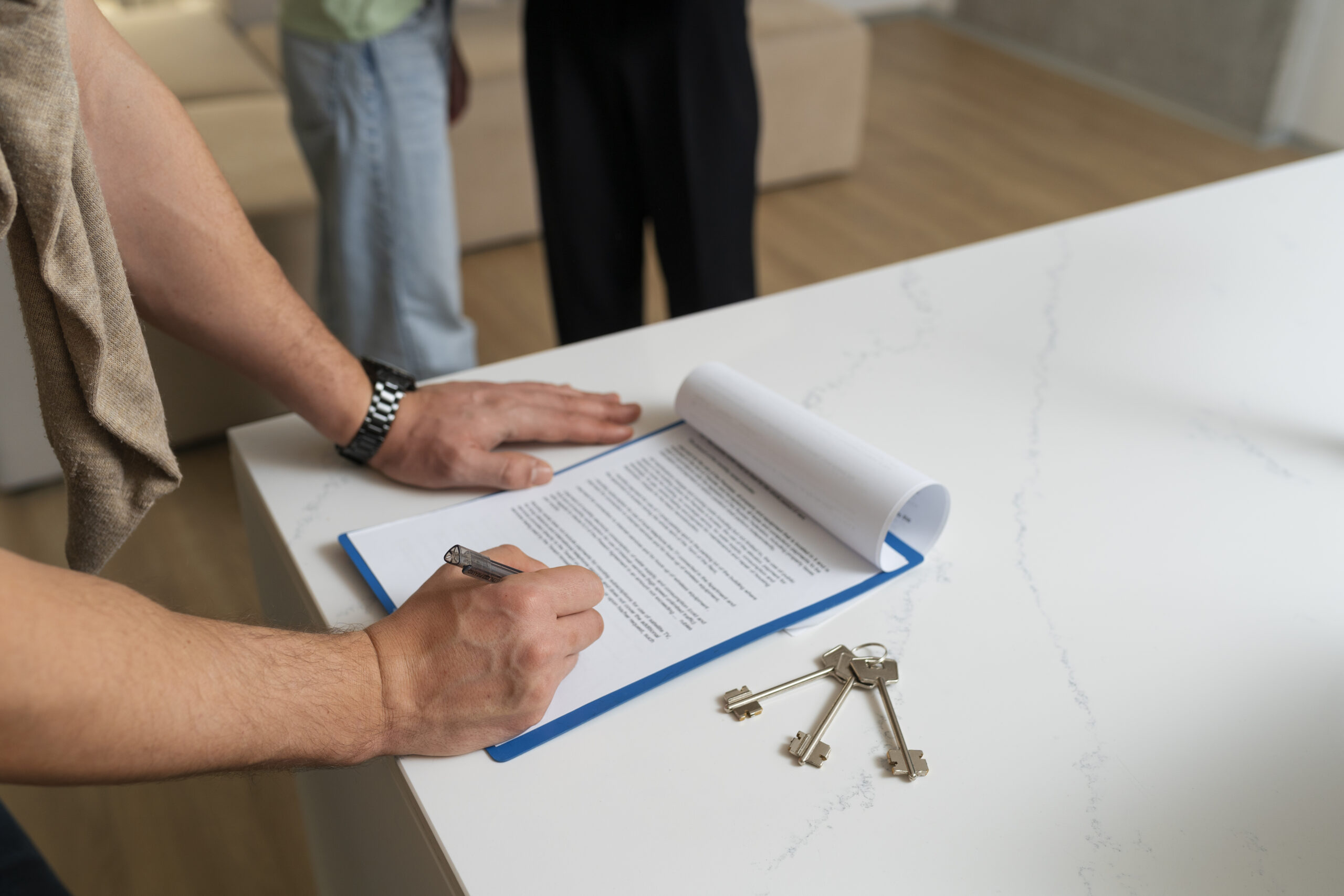
Step 3: Understand Legal Responsibilities as a Landlord
Landlords in the UK must follow over 145 pieces of legislation. Some of the most important laws include:
- Right to Rent checks: You must check that all adult tenants have the legal right to rent in the UK.
- Tenancy agreements: A written tenancy agreement sets out the rules of the tenancy. It is recommended for all lets and required in Scotland.
- Deposit protection: If you take a security deposit, you must protect it in a government-approved scheme within 30 days. The schemes in England and Wales include MyDeposits, Tenancy Deposit Scheme (TDS), and Deposit Protection Service (DPS).
Failing to meet these requirements can result in fines, legal disputes, and problems with evicting tenants.
Step 4: Make Sure the Property Is Safe
Your house must be safe and in good condition before it is rented out. Key safety requirements include:
- Gas safety: Annual checks by a Gas Safe registered engineer are required for all gas appliances.
- Electrical safety: A qualified electrician must inspect the electrical system at least once every five years. You must provide tenants with a copy of the Electrical Installation Condition Report (EICR).
- Smoke and carbon monoxide alarms: Smoke alarms are required on every floor used as living space. Carbon monoxide alarms must be fitted in any room with a solid fuel appliance, such as a wood-burning stove or coal fire.
- Energy Performance Certificate (EPC): The property must have an EPC with a rating of at least E before it can be rented out. You must give a copy of the EPC to tenants.
If you are letting a furnished property, make sure that all furniture and furnishings meet fire safety standards.


Step 5: Decide How You Will Manage the Property
You can manage the rental yourself or use a letting agent to handle some or all of the work. Here are the main options:
Tenant Find Only
The agent advertises your property, handles viewings, and helps you select a tenant. After that, you manage everything.
Rent Collection
The agent finds the tenant and collects rent on your behalf, but you still handle maintenance and tenant communication.
Fully Managed
The agent handles everything, including rent collection, maintenance, legal compliance, inspections, and emergency issues.
Each service level has a different cost. Landlords who rent out their house long-term and want fewer responsibilities often choose full management.
Step 6: Set the Rent and Advertise Your Property
Although previously mentioned, you should decide how much to rent your house for, and check similar properties in your local area. You should take note of the size, condition, location, and whether your property is furnished or unfurnished.
You can advertise your property through:
- Online platforms
- Letting agents
- Local newspapers or community boards
Be clear about the monthly rent, deposit amount, and whether bills are included. Advertising your property is a key step when you’re looking to rent out a house, whether short-term or long-term.


Step 7: Screen Tenants Carefully
Finding the right tenant is essential. Landlords or letting agents should:
- Check the tenant’s identity and Right to Rent documents
- Run a credit check (with the tenant’s permission)
- Ask for income proof (e.g. payslips, employer reference)
- Contact previous landlords for references
Choosing tenants carefully can reduce the risk of missed payments or property damage.
Step 8: Prepare for the Tenancy
Before tenants move in:
- Prepare an inventory (a list of items and the condition of the property)
- Take dated photos as evidence
- Give the tenant:
- A copy of the EPC
- The gas safety certificate
- Deposit scheme information
- The “How to Rent” guide (in England)
Record all handover details clearly, including metre readings and keys given.

Ongoing Responsibilities
Once the tenancy begins, you are responsible for managing the property in line with legal standards. This includes collecting rent on time and providing receipts if your tenant requests them. You must also respond to maintenance issues within a reasonable timeframe to keep the property safe and habitable.
If you need to visit the property—for inspections, repairs, or any other reason—you are legally required to give the tenant advance notice, typically at least 24 to 48 hours. Ongoing safety checks, such as gas and electrical inspections, must be arranged at the correct intervals and carried out by qualified professionals.
When it comes time to renew or end the tenancy, you must follow the correct notice period and legal procedures based on the type of tenancy agreement in place. If you intend to increase the rent or make changes to the tenancy terms, knowing the legal requirements to rent your property is essential.
Key Points to Remember Before You Rent Out Your House
House lettings involve a mix of legal duties, safety checks, financial planning, and ongoing management. Before you rent out your house, it’s important to understand what’s required—from licencing and insurance to tenant checks and property maintenance. You’ll also need to decide whether to manage the property yourself or use a letting agent to handle things on your behalf.
This guide has explained the key steps in a straightforward way, helping you move from idea to action with confidence. With proper planning and the right support, renting out your property can be a manageable and rewarding decision.
Ready to Let Your House? Here’s What to Do Next
Complete the form below, and we’ll be in touch to help you get started with renting out your property.